Glotech Auto Detailing

Uncategorized

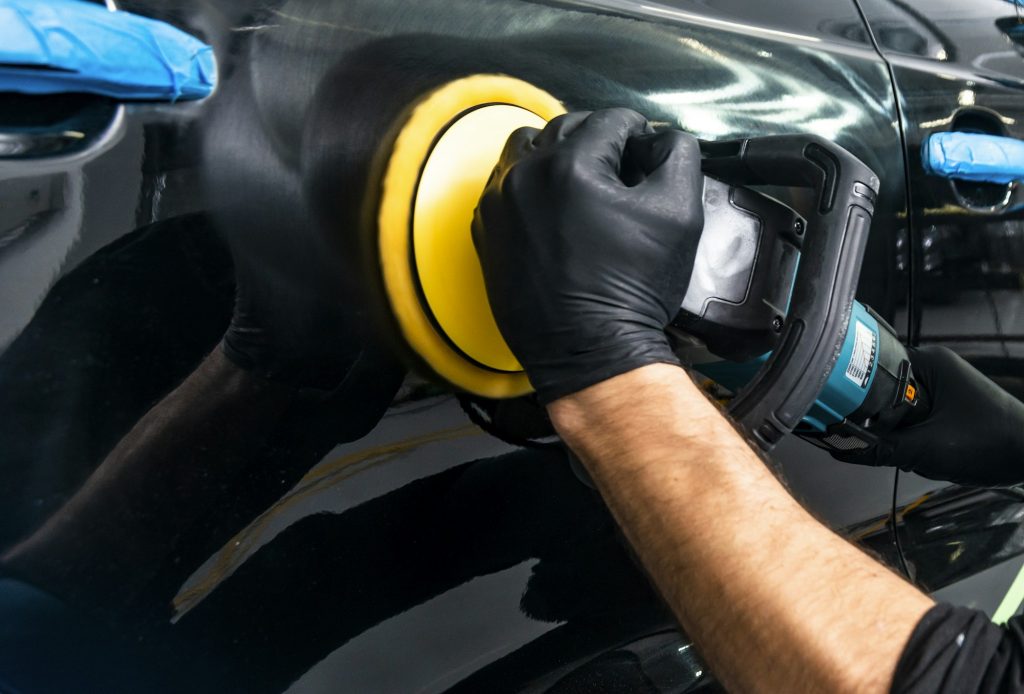
Buffing and polishing car. Car detailing. Man holds a polisher in the hand and polishes the car
Uncategorized

Common Car Detailing Mistakes to Avoid

Car detailing is an essential aspect of vehicle maintenance, ensuring your car looks its best and remains in good condition. However, even seasoned car enthusiasts can make mistakes that compromise their detailing efforts. Here are some common car detailing pitfalls to avoid: 1. Skipping the Wash Before Waxing One of the most frequent mistakes people make is waxing a dirty car. Wax should only be applied to a clean surface to ensure proper adhesion and longevity. Dirt and grime can create micro-scratches and diminish the effectiveness of the wax, making it essential to wash your car thoroughly before applying any protective coatings. 2. Using the Wrong Products Using the wrong cleaning products can cause more harm than good. For instance, household cleaners can strip the wax off your car’s paint and lead to damage. Always choose products specifically designed for automotive use. When in doubt, consult with detailing professionals or do some research to find the right products for your vehicle’s surfaces. 3. Neglecting the Interior While many focus on the exterior, the interior of the car deserves equal attention. Failing to clean the dashboard, seats, and carpets can lead to a buildup of dust, dirt, and allergens. Regular vacuuming, along with appropriate cleaning solutions for different materials (like leather or fabric), can enhance your driving experience and maintain the vehicle’s value. 4. Over-Washing While keeping your car clean is vital, over-washing can be detrimental. Frequent washes can lead to micro-scratches and paint dulling, especially if improper washing techniques are used. Aim to wash your vehicle every two weeks, or more frequently in winter months, when road salt and debris can accumulate. 5. Ignoring the Wheels and Tires Wheels often get overlooked in the detailing process, yet they are just as important as the body. Brake dust, road grime, and dirt can accumulate, leading to corrosion if not cleaned regularly. Use a dedicated wheel cleaner and tire dressing to keep them looking sharp and protect them from the elements. 6. Not Paying Attention to the Details Detailing is all about the details. Skipping small areas such as door jambs, cup holders, and air vents can leave your car looking less than pristine. Take your time to ensure every nook and cranny is addressed, as these details contribute significantly to the overall cleanliness of your vehicle. 7. Improper Drying Techniques After washing, how you dry your car matters. Using old towels or non-absorbent materials can lead to scratches. It’s best to use a microfiber drying towel designed for automotive use. Also, avoid drying your car in direct sunlight to prevent water spots from forming. 8. Forgetting About Regular Maintenance Finally, the most significant mistake is not committing to a regular detailing schedule. Regular detailing not only keeps your car looking great but also extends its life. Establish a routine that includes both interior and exterior detailing every few months. Conclusion Avoiding these common car detailing mistakes can help you maintain your vehicle’s aesthetic and performance. By paying attention to the details and using the right products, you can ensure your car stays in top shape, enhancing your driving experience and retaining its value. For professional car detailing services that get it right every time, consider reaching out to a local expert. Keeping your car looking its best has never been easier!
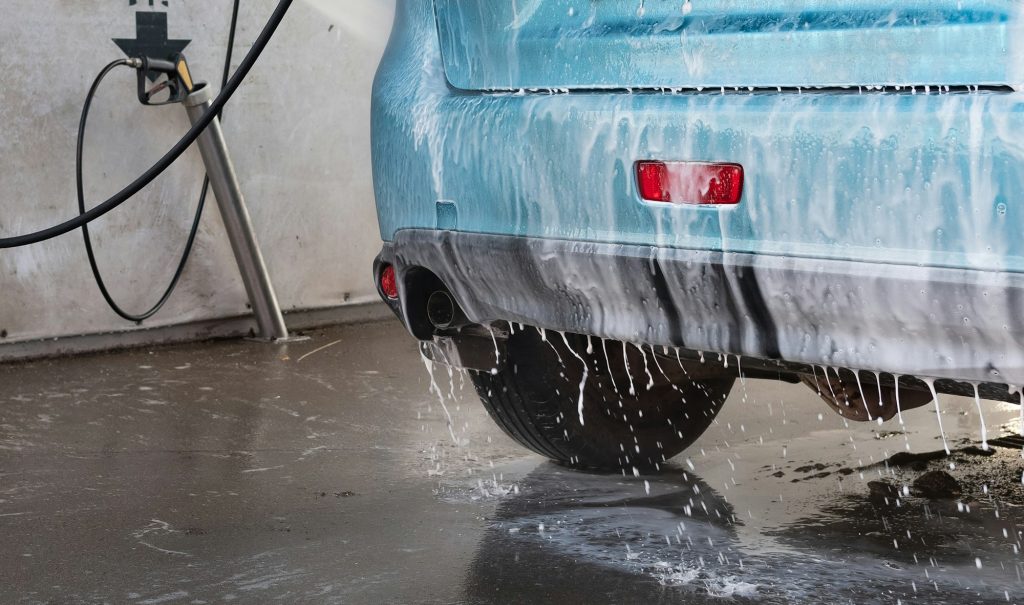
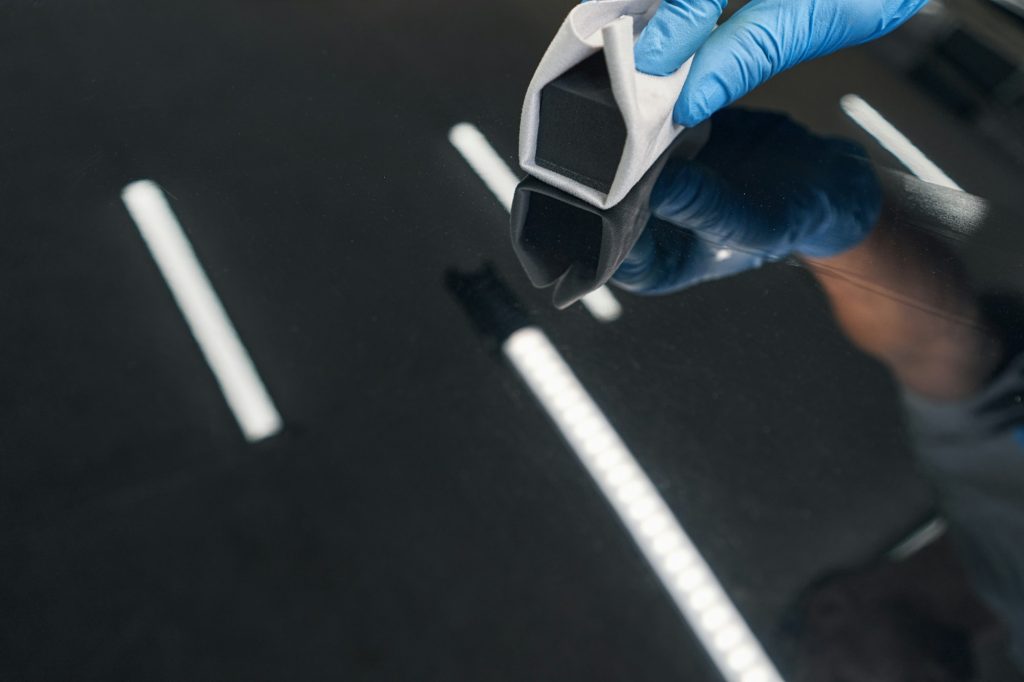
Manual car wash with pressurized water in car wash outside. Summer Car Washing. Cleaning Car Use
Uncategorized

How Often Should I Get My Car Detailed?

Keeping your car looking pristine requires more than just routine washing. Regular detailing goes beyond a quick clean by addressing the finer aspects of car care, including both interior and exterior treatments. But how often should you get your car detailed? The answer depends on various factors such as usage, weather conditions, and personal preferences. Let’s dive deeper into understanding how often your car should be detailed and why it’s essential to maintain a consistent detailing routine. Understanding Car Detailing Car detailing is a meticulous process that includes cleaning, restoring, and protecting your car’s exterior and interior. This may involve waxing, polishing, vacuuming, and conditioning, along with addressing areas like the wheels, windows, seats, and carpets. Detailing not only enhances the look of your car but also extends its lifespan by protecting it from contaminants and environmental damage. Frequency of Car Detailing The general recommendation is to have your car professionally detailed every 4 to 6 months, which amounts to 2 or 3 times a year. However, the actual frequency can vary based on several factors: Your Driving Environment: If you frequently drive in harsh conditions such as off-road environments, areas with extreme temperatures, or regions where road salt is used, you may need to detail your car more often. South Africa, for example, experiences a range of climates from hot summers to heavy rains, which can expose your vehicle to harmful UV rays, dirt, and water damage. How You Use Your Car: If your car is used daily for commuting or long road trips, it’s exposed to more dirt, debris, and pollutants. This increases the need for frequent detailing. On the other hand, if your car is a luxury vehicle or only used occasionally, detailing it 1 to 2 times a year may suffice. The Type of Car You Own: Luxury and high-performance cars often require more care due to their sensitive paint and high-end materials. Owners of such cars may opt for more frequent detailing to maintain their appearance and protect their investment. Personal Preferences: Some car owners prefer to keep their vehicle in showroom condition at all times. If you’re passionate about keeping your car in top shape, you may want to schedule detailing more frequently, possibly every 2 to 3 months. Exterior Detailing: Why It Matters The exterior of your car is constantly exposed to elements like dust, dirt, bird droppings, tree sap, and pollutants. Without regular cleaning and protection, these contaminants can damage your paint and lead to oxidation or rust over time. Waxing: Waxing adds a protective layer to your car’s paint, shielding it from UV rays and minor scratches. Ideally, you should wax your car every 3 to 4 months. Polishing: Polishing helps to remove minor imperfections like swirl marks and scratches. This step isn’t necessary every time you detail, but should be done at least once or twice a year. Ceramic Coating: If your car has a ceramic coating, you may not need to wax as often, but regular cleaning is still crucial to maintain the hydrophobic properties of the coating. Interior Detailing: Keeping It Fresh The interior of your car also requires regular attention. Dirt, food particles, and everyday use can wear down surfaces over time. Interior detailing involves deep cleaning seats, carpets, and dashboard areas. Vacuuming: Vacuuming your car should be done more frequently, ideally once a week, to prevent dirt from accumulating. Leather Care: If your car has leather seats, conditioning them every 3 to 6 months is essential to prevent cracking and drying. Odor Removal: Interior detailing helps eliminate unpleasant odors caused by food, smoke, or mildew. If you notice persistent smells, it’s a good sign that your car could benefit from a detailing session. Signs Your Car Needs Detailing Here are a few signs that it may be time to get your car detailed: Fading Paint: If your car’s paint looks dull or faded, it could be due to oxidation from prolonged sun exposure. Detailing will restore the shine and provide UV protection. Stubborn Stains: If regular cleaning isn’t removing stains from your seats or carpets, a thorough interior detail can help lift these marks. Lingering Smells: Musty or unpleasant odors that linger in your car indicate the need for deep cleaning and deodorizing. Scratches or Swirl Marks: Minor scratches or swirl marks can often be removed during the polishing stage of detailing. Conclusion While washing your car regularly is essential for keeping it clean, professional detailing ensures that every nook and cranny is addressed, and your car remains in top condition. For the average driver, detailing 2 to 3 times a year is ideal. However, your vehicle’s environment, usage, and type can influence how often you should schedule a detail. By maintaining a consistent detailing routine, you not only preserve your car’s aesthetic appeal but also protect its value in the long run. Whether you’re aiming for that “like-new” finish or simply want to protect your investment, regular detailing is key to extending the life of your vehicle.

Man car detailing studio worker applying ceramic coating on car
Uncategorized

Ceramic Coating vs. Waxing for Cars: Which is Right for You?

If you’re a car enthusiast or simply someone who takes pride in keeping your vehicle looking sharp, you’ve probably come across the terms ceramic coating and waxing. Both methods promise to protect your car’s paint and enhance its shine, but they operate in fundamentally different ways. This article will explore the pros and cons of ceramic coating versus waxing to help you decide which option is best for your car. What Is Waxing? Waxing is one of the oldest and most commonly used methods for protecting a car’s exterior. Typically made from natural or synthetic waxes, such as carnauba or polymer blends, it provides a layer of protection by sitting on top of the car’s paint. Pros of Waxing: Enhances Shine: Wax delivers a glossy finish, giving your car a deep, mirror-like reflection. Water Repellency: Wax creates a hydrophobic layer, causing water to bead up and roll off. UV Protection: Wax helps to shield the paint from the harmful effects of UV rays, reducing paint oxidation. Cost-Effective: Waxing is affordable and easy to apply, whether you do it yourself or get it done professionally. Short-Term Protection: It can protect your car from light scratches and minor contaminants like dust and bird droppings. Cons of Waxing: Temporary: Waxing only provides protection for about 4 to 6 weeks before reapplication is necessary. In harsh conditions, it might last even less. Less Durability: Compared to modern protective solutions, wax is more prone to wearing off quickly, especially with exposure to rain, heat, or washing. Requires Regular Reapplication: For optimal results, waxing should be done regularly. Many drivers find the upkeep inconvenient. What Is Ceramic Coating? Ceramic coating is a liquid polymer solution that chemically bonds with your car’s factory paint. Once applied, it forms a protective, semi-permanent or permanent layer. Ceramic coatings are typically made of silica dioxide or titanium dioxide, which give them their high durability and hydrophobic properties. Pros of Ceramic Coating: Long-Term Protection: Ceramic coatings can last for years, with some professional-grade coatings boasting protection for up to five years or longer. Superior Durability: Ceramic coating is highly resistant to environmental hazards such as bird droppings, tree sap, UV rays, and acidic contaminants. It also reduces the risk of chemical staining from things like road salt or tar. Scratch Resistance: While ceramic coating isn’t scratch-proof, it offers a greater degree of scratch resistance compared to wax. Hydrophobic Properties: Like wax, ceramic coatings are highly hydrophobic, but they tend to last longer and offer superior water-beading effects. This makes cleaning your car easier, as dirt and grime wash off more easily. UV Protection: Ceramic coating shields your paint from oxidation caused by UV exposure, helping maintain the car’s original color and finish. Cons of Ceramic Coating: Higher Cost: Applying a ceramic coating can be costly, especially if done by professionals. DIY kits are available, but the process is labor-intensive and requires precision. Complex Application: The application process can be difficult and time-consuming. Any mistakes during the application process can be challenging to fix, and improper preparation can result in poor bonding. Not a Cure-All: While ceramic coatings are highly durable, they won’t protect your car from deep scratches, dents, or other significant paint damage. Regular care is still necessary. No Instant Shine: While ceramic coatings enhance the car’s shine over time, the high gloss seen immediately after waxing is not as instantly visible with ceramic coatings. Which Option Is Right for You? When deciding between ceramic coating and waxing, it comes down to your specific needs and expectations. For Long-Term Protection: If you’re looking for long-lasting protection and are willing to invest in professional application, ceramic coating is the way to go. Its superior durability and ability to withstand the elements make it a favorite for those who prioritize low maintenance and extended protection. For Budget-Friendly, Short-Term Results: If you prefer a more affordable option and don’t mind reapplying the product regularly, waxing might suit your needs better. It’s perfect for car owners who enjoy detailing their own vehicles and want to achieve a showroom finish without breaking the bank. Ease of Application: If you’re a DIY enthusiast, waxing is the easier and less risky option. While DIY ceramic coating kits exist, they require much more prep work, patience, and precision. Conclusion Both ceramic coating and waxing offer unique benefits for protecting your car’s paint and improving its appearance. Ceramic coating is a more durable and longer-lasting solution, ideal for those who want to protect their vehicles with minimal maintenance. Waxing, on the other hand, is great for those who enjoy regularly maintaining their car’s appearance and want an affordable, shiny finish. For South African drivers, where weather conditions can range from intense UV exposure to rainy seasons, the decision might come down to how often you want to detail your car and the environmental hazards your vehicle faces. If your vehicle is exposed to extreme conditions frequently, ceramic coating might offer better long-term value. For those who prioritize cost and don’t mind regular touch-ups, waxing remains a reliable choice. Ultimately, the best protection method depends on your vehicle’s specific needs, your budget, and your maintenance routine.

Scroll to Top